Best times to post on LinkedIn in 2026

Summary
The best times to post on LinkedIn in the US are 7:30 to 8:30 AM, 12:00 to 1:00 PM, and 5:00 to 6:00 PM, with Tuesday, Wednesday, and Thursday being the days with the highest reach. The ideal frequency is 4-5 posts per week, and long-term consistency matters more than finding the perfect hour.
You can have the best content in the world, but if you post it when your audience isn't online, the LinkedIn algorithm will bury it before anyone sees it. Timing is one of the most underrated and easiest-to-optimize factors for growing your organic reach. In this 2026 guide we share the most recent data on when to post on LinkedIn, with a focus on the US and international markets.
Does posting time actually matter?
The short answer is yes, and more than you'd think. The LinkedIn algorithm evaluates a post's initial performance — the interactions it gets in the first 60-90 minutes — to decide whether to show it to more people. If you post when your audience is active, you're much more likely to get those first reactions and comments that trigger organic distribution.
A Sprout Social study covering more than 30,000 LinkedIn accounts confirmed that posts published during peak activity windows get up to 48% more impressions than those published during dead hours. That doesn't mean bad content magically works better at 8 AM, but it does mean good content gets the recognition it deserves when published at the right moment.
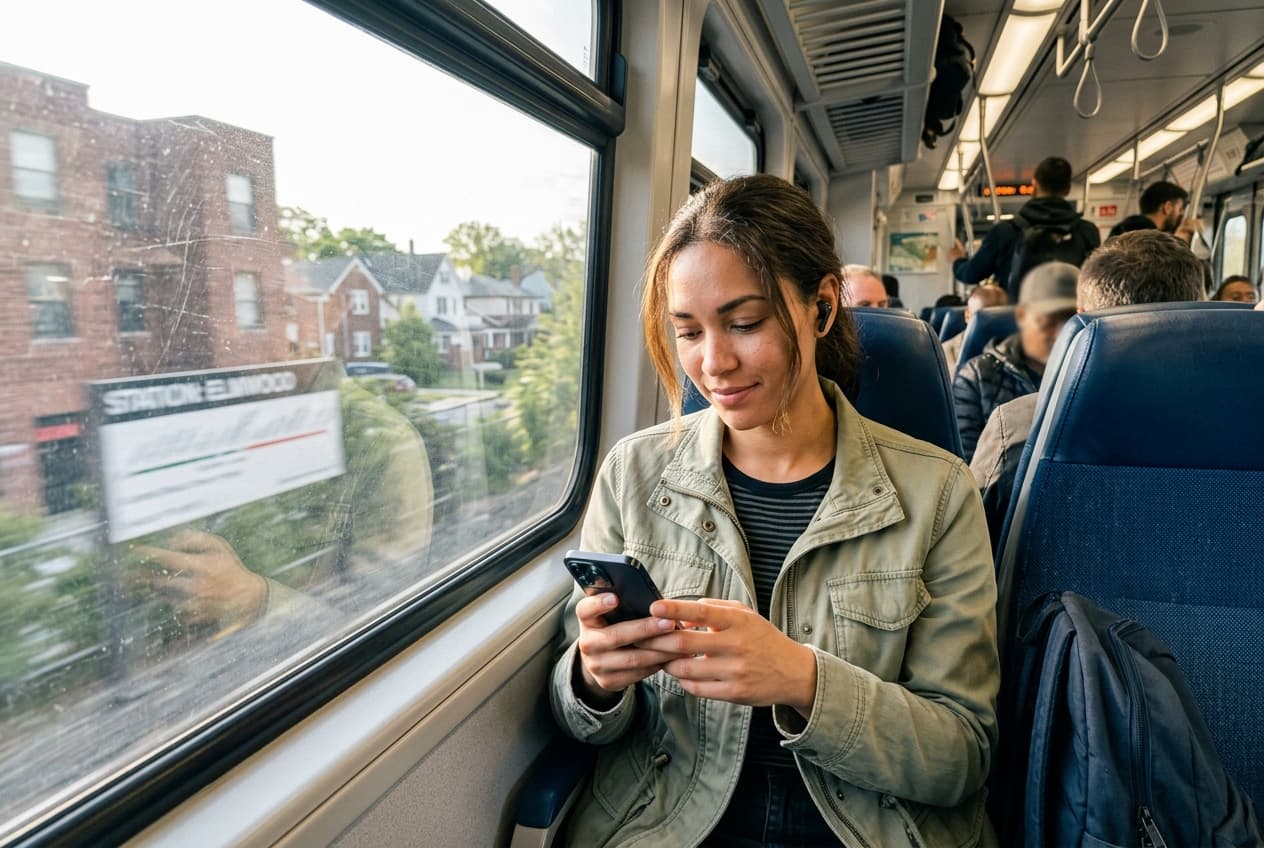
LinkedIn is a professional network, which means usage patterns are tightly tied to the workday. Unlike Instagram or TikTok, where peak activity is at night, on LinkedIn activity is concentrated during work hours and in the transitions between tasks: first thing in the morning, lunch break, and the end of the workday.
The data: best times by time zone (US)
Based on aggregated data from multiple sources — including our own engagement analysis on US and international profiles — these are the optimal times to post on LinkedIn if your main audience is in the US (Eastern Time):
First window: 7:30 - 8:30 AM
This is the golden hour. Many professionals check LinkedIn during breakfast or their morning commute. Your post lands fresh in their feeds right as their digital workday begins. The data shows that posts in this window get 32% more reach than the daily average.
Second window: 12:00 - 1:00 PM
The lunch break is another activity peak. A lot of professionals use those minutes to catch up on their LinkedIn feed. It's an especially good window for lighter or visual content — carousels, infographics, image posts — that gets consumed quickly during a break.
Third window: 5:00 - 6:00 PM
At the end of the workday there's another activity bump, though less pronounced than the morning one. This window works well for content that invites reflection or debate, since users are wrapping up their day and are more willing to engage in comments.
For international markets: If your main audience is in the UK, Germany, or Singapore, the patterns are similar but adjusted to their respective time zones. The morning window (7:30-8:30 AM local time) is consistently the most effective across English-speaking markets.
Best days of the week to post
Not all days are equal on LinkedIn. The data is pretty clear about which days deliver the most reach:
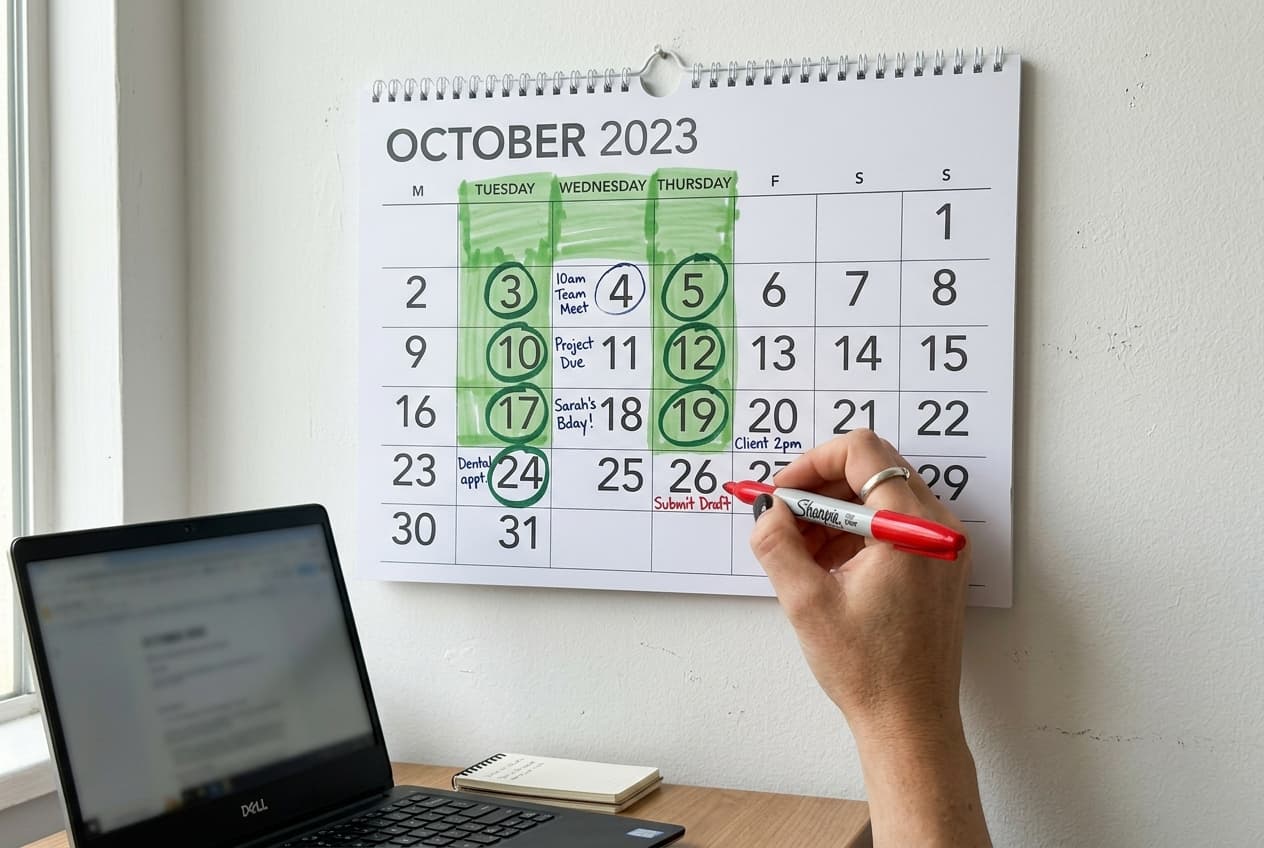
Tuesday, Wednesday, and Thursday are the star days. LinkedIn activity peaks midweek, when professionals are in the thick of their workday and most receptive to professional content. Of those three, Tuesday and Wednesday usually have a slight edge.
Monday works well but with caveats. A lot of professionals start the week sorting through emails and getting organized, so attention to LinkedIn is lower first thing. That said, activity ramps up significantly after 10 AM.
Fridayis a mixed bag. Activity drops progressively after midday as many professionals slide into "weekend mode." If you post on a Friday, do it early (before 10 AM).
Saturday and Sundayhave significantly less activity — 40% to 60% less than weekdays. But there's an interesting wrinkle: competition is also much lower. If your content is good and your audience includes founders or freelancers who work on weekends, posting Sunday afternoon can give you surprising visibility with far less competition.
Ideal posting frequency
How often you post matters as much as when. Posting too frequently can wear out your audience, but posting too little makes the algorithm forget you. So what's the sweet spot?
Minimum recommended: 3 posts per week. This is the threshold where LinkedIn starts recognizing you as an active creator and amplifies your distribution. With fewer than 3 weekly posts, your organic reach takes a noticeable hit.
Optimal: 4-5 posts per week. Most successful LinkedIn content creators post between 4 and 5 times per week. This rhythm keeps your profile active without saturating your audience and gives you enough room to vary formats (text, carousel, image, poll).
Maximum recommended: 1 post per day. Posting more than once a day on LinkedIn rarely makes sense. The algorithm prioritizes your most recent post, which means if you post twice in a day, the second post can cannibalize the reach of the first.
The most important thing is consistency. It's much better to post 3 times a week for 6 months than to post every day for 3 weeks and then disappear. LinkedIn rewards long-term regularity, and your audience needs time to recognize you as a reliable source of content.
How to adapt your schedule to your audience
General data is a good starting point, but the best results come from knowing your specific audience. Here's how to tailor your posting strategy:
Dig into your LinkedIn analytics. If you have creator mode on or a company page, LinkedIn gives you data on when your followers are active. Use that information as the baseline for your tests.
Run A/B tests with posting times.Over 4-6 weeks, alternate between different posting times with content of similar quality. Track impressions, engagement rate, and comments for each post. After enough data, you'll have a clear picture of which window works best for your specific audience.
Consider your target audience's time zone. If your goal is landing clients in Europe but you're based on the West Coast, you need to post when they're active, not when you're starting your day. That might mean posting at 11 PM Pacific to catch the European morning.
Factor in your industry. Tech professionals tend to be active earlier on LinkedIn. Finance and legal folks usually peak mid-morning. Creatives and marketers are most active around midday. Knowing your niche helps you fine-tune.
Automate posting at the optimal time with Clonio
Knowing the best time is only half the equation. The other half is executing consistently: remembering to post every day at the exact time, having content ready, and not getting distracted by meetings or urgent tasks.
That's where Clonio makes the difference. It lets you schedule posts in advance for specific dates and times, and its automatic publishing system posts your queued content every morning, in the highest-activity window on LinkedIn.
Imagine being able to spend a couple of hours on Monday prepping all your content for the week, and having Clonio take care of posting each one at the precise time that maximizes its reach. No alarms, no reminders, no interruptions. Your content goes out when it should, and you focus on your work.
On top of that, Clonio includes an analytics dashboard where you can see how your posts perform: impressions, engagement, follower growth, and your best-performing posts. That data lets you adjust your timing and format strategy based on real evidence from your profile, not generic averages.
Wrapping up
Posting at the right time isn't a growth hack, it's common sense applied to how the LinkedIn algorithm works. The data is clear: Tuesday through Thursday early in the morning is your best bet, with midday and end of day as solid secondary windows.
But remember: the best time in the world can't save mediocre content. First focus on creating content that brings real value to your audience. Once you've got that handled, optimize the when to give that content the reach it deserves.
Consistency over time matters more than finding the perfect hour. Posting regularly at 8 AM will always beat posting sporadically at the "perfect time." Combine good content, smart timing, and persistence, and the results on LinkedIn will follow. Find more strategies in our blog on LinkedIn and automation.
Post at the perfect time, every time
Clonio schedules and publishes your content automatically at the time that maximizes your reach. No alarms, no effort.
Get started